Jul
KIU Students Participate in Academy for Impact Women Mentorship Initiative Training
July 21, 2026, 8:57 am
 Nakanwagi Annet
• April 27, 2026, 4:00 am
Nakanwagi Annet
• April 27, 2026, 4:00 am 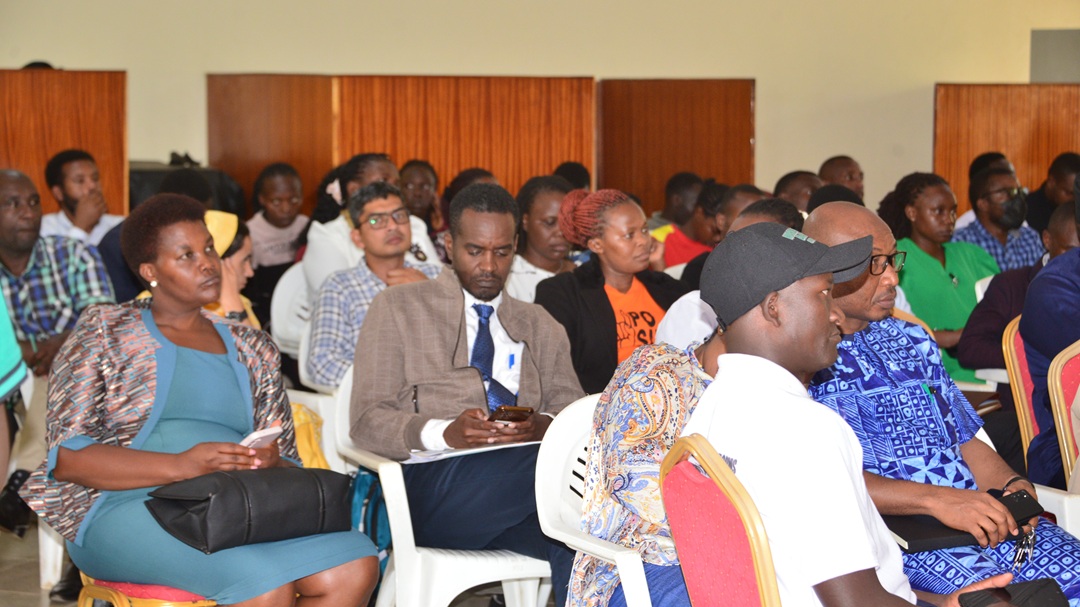
KIU, Western Campus - Hearing loss affects over 1.5 billion people worldwide, yet more than 60% of cases are preventable through simple measures like immunization, safe listening, and timely treatment of ear infections. To address this growing public health concern, Kampala International University, Western Campus (KIU-WC), through its Directorate of Research, Innovation, Consultancy, and Extension (DRICE), in collaboration with the Faculty of Clinical Medicine and Dentistry (FCMD), convened a public lecture on ear and hearing health on Friday, April 24, 2026.
The hybrid lecture, themed “The Future of Sound: Changing Mindsets and Mobilizing Multi-Sectoral Engagement for Ear and Hearing Health”, brought together students, staff, health workers, and the general public to discuss the vital hearing sense.
Officially opening the event, Assoc. Prof. Eric Mabonga, Deputy Vice Chancellor (DVC), KIU-WC, challenged participants to rethink everyday perceptions of sound and its impact on health. "By the end of this session, what we have been taking as normal sound could be something else. This could go beyond just a lecture to real-life practice for the betterment of our ears and general well-being," he said.
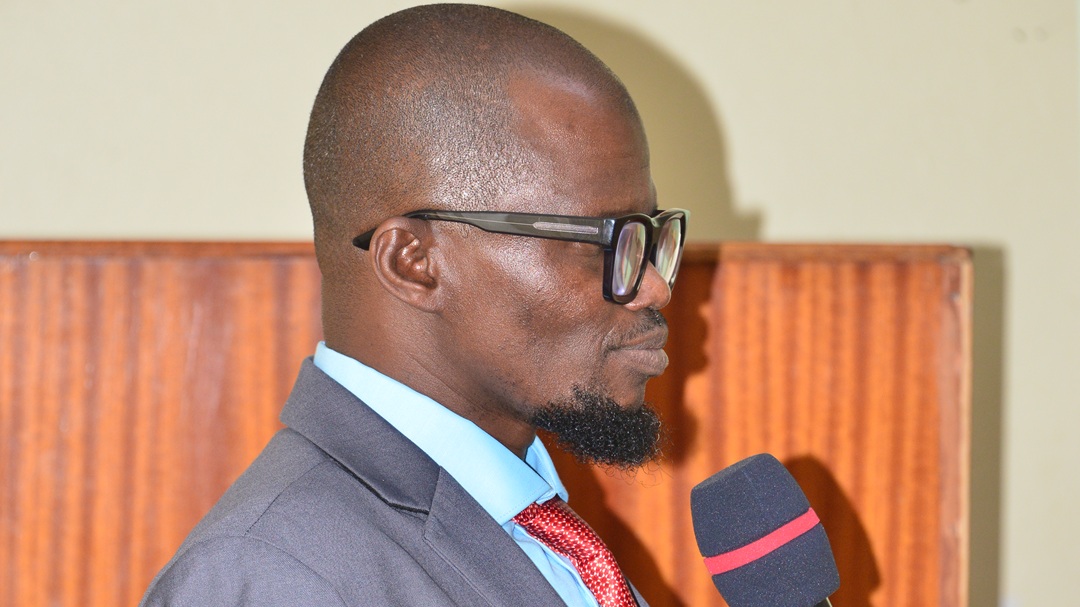
Delivering the keynote presentation, Dr. Raheem Oladeji Quadri, Head, Department of ENT Surgery, KIU & KIU Teaching Hospital and Research (THR), explained hearing loss as a complete or partial loss of the ability to hear from one or both ears. Citing data from the World Health Organization (WHO), he noted that the condition affects approximately 20% of the global population.
Dr. Quadri highlighted that causes of hearing loss occur across the lifespan, from hereditary factors and pregnancy complications to childhood infections, noise exposure, aging, and ototoxicity. On impact, he said hearing loss leads to absence of speech and language development, educational delays, reduced future opportunities, economic loss, and social isolation.
He called for mindset change and proactive prevention: rejecting stigma around hearing aids, following the 60/60 rule for headphone use, which limits volume to 60% and listening to not more than 60 minutes at a time, using ear protection in loud environments, and scheduling professional hearing checks every 2 to 3 years. “The future of sound is not just a medical issue; it is a societal responsibility,” he emphasized.
Dr. Quadri also highlighted a major milestone achieved during the commemoration of World Hearing Day on 3rd March, 2026, in collaboration with Bassajjabalaba Secondary School. “Following our intervention, the Headteacher reported improvement in ear and hearing health among students,” he said, underscoring the impact of targeted school-based awareness.
Contributing to the discussion, Eriab Tayebwa, Assistant District Health Officer (DHO), Bushenyi District, pledged closer engagement with the university. “We promise an invitation to district engagements where leaders and health workers are present,” he said, proposing the incorporation of elderly education through radio shows to create wider community awareness.
Tayebwa also emphasized grassroots action, noting that structured school health engagements are critical for early detection and prevention of hearing loss. “There is a clear need for structured school health engagements if we are to detect and prevent hearing loss early,” he remarked.
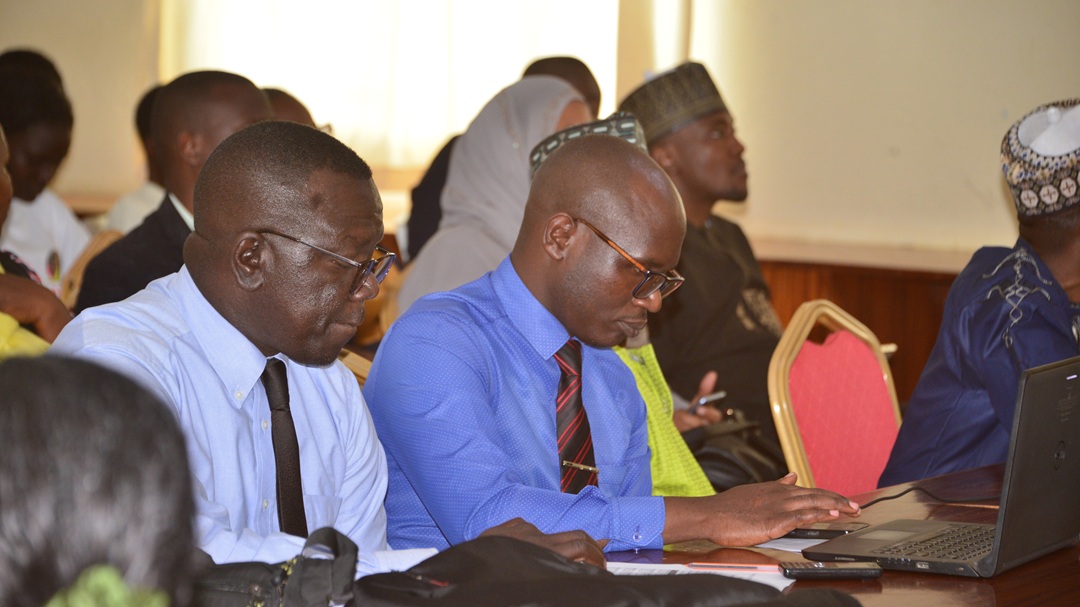
Delivering his vote of thanks, Dr. Maxwell Okello, Dean of FCMD, underscored the critical role of hearing from the earliest stages of life. "Gynaecologists believe that hearing starts right from the mother's womb, therefore an ear is a very powerful organ that should be given attention," he said, noting that the ear is a sensitive organ that can either yield good or damage depending on how it receives whatever it is fed. Dr. Okello also suggested the incorporation of students in the promotion of ear and hearing health.
Echoing his sentiment, Prof. Patrick Aja Maduabuchi, Director of RICE, called for deeper academic integration of public health outreach. He proposed that postgraduate students should conduct public lectures as part of their academic requirements. "There is so much knowledge attained during public lectures which cannot easily be attained during normal lectures," Prof. Maduabuchi noted, urging district representatives to share the message with the wider community.
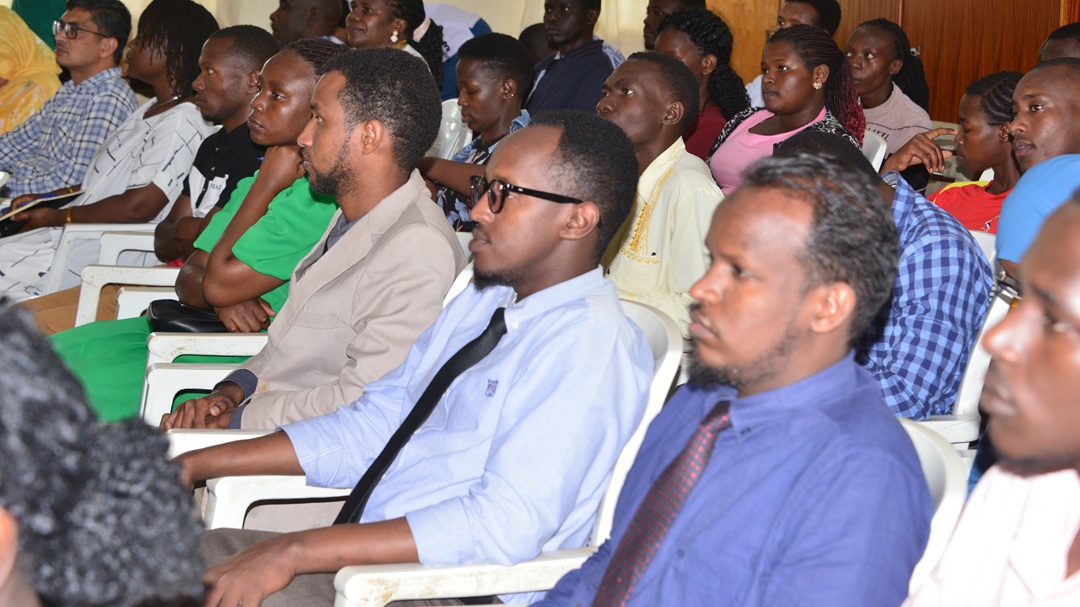
The event concluded with an award ceremony led by Dr. Yakubu Bot Sunday, Assistant DVC, Finance and Administration. He underscored the university management's readiness to collaborate with the community for improved hearing health. "Management is ready to collaborate with the community in terms of support, facilities and outreaches for improved hearing health," he affirmed.
The lecture marked another step in KIU’s commitment to research-driven community engagement, positioning the university as a key player in mobilizing multi-sectoral action for ear and hearing health.
Kampala International University, Box 20000, Ggaba Road, Kansanga, Kampala
+256-760 502660
+256-700 100808