Established in 2001; attained Chartered University status in March 2009.
Ranked the No.?1 private university and 2nd best overall in Uganda (2022–2024 Webometrics).
In January 2024, ranked 3rd in East Africa and 47th in Africa.
Member of the Association of Commonwealth Universities, Association of African Universities, and Inter?University Council of East Africa.
Campuses & Size
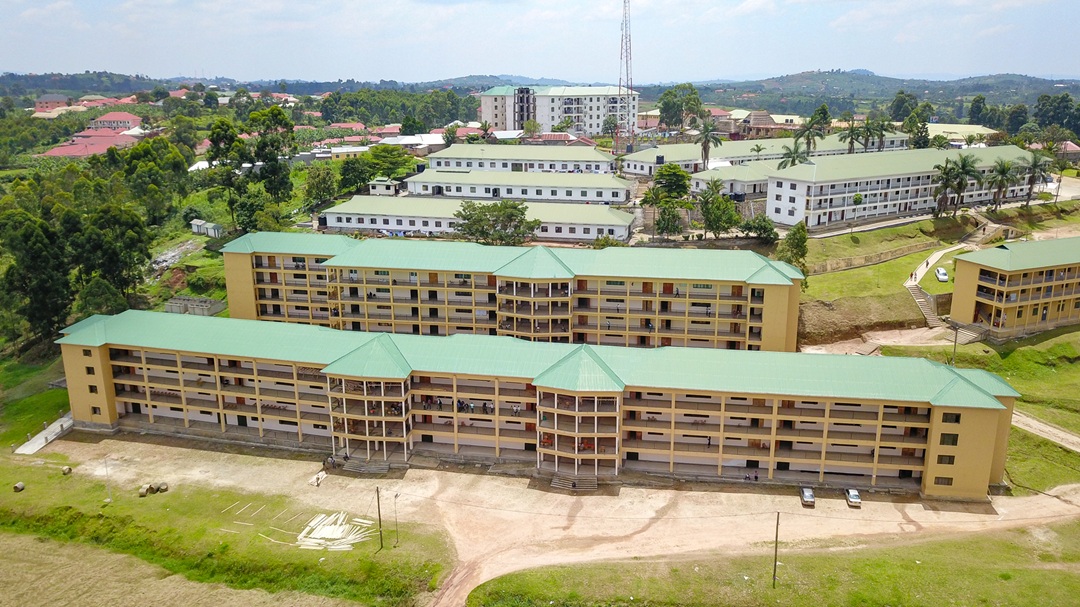
Main Campus: Kansanga, Makindye Division, Kampala—approx. 7?km southeast of the city center. Hosts over 7,000 students with more than 300 academic staff.
Western Campus: Ishaka–Bushenyi, Western Uganda—around 328–360?km southwest of Kampala. Covers about 70?acres, serving over 5,000 students with 200+ academic staff.
International Campuses: Dar?es?Salaam, Tanzania campus on 100 acres. Planned expansion: Nairobi, Kenya.
Facilities & Infrastructure
Teaching Hospital at Western Campus is the largest private teaching hospital in Uganda with 700–1,200 beds.
Iddi Basajjabalaba Memorial Library (Main Campus) is Uganda’s largest university library, offering 5,000+ seats, free internet, and extensive scholarly resources.
Academic Structure & Programs
Program Levels: Certificate, Diploma, Undergraduate, Postgraduate, and PhD.
Western Campus Schools: Allied Health Sciences, Biomedical Sciences, Clinical Medicine & Dentistry, Nursing, Pharmacy, Engineering, Business & Management, Education, Agriculture, etc.
Student Body & Staff
Total enrolment: Approximately 12,000+ students across campuses.
Academic personnel: Main Campus: ~300 staff. Western Campus: ~200+ staff.
Timeline & Milestones
2001: KIU founded
2004: First graduations from Kampala Campus
2004: Western Campus inaugurated by President Museveni
2009: Granted chartered status; Dar es Salaam campus launched
2025: Celebrated 25 years; 31st graduation held
Rankings Highlights
2nd in Uganda, consistently leading private universities.
3rd in East Africa, 47th in Africa (Jan 2024 Webometrics).
Leading performance in Webometrics categories: Impact (#1 in Uganda), Openness, and Excellence.
Why It Stands Out
Practical, career-oriented education, strong emphasis on health sciences.
Robust facilities: modern library, teaching hospital, labs, and sports centers.
Regional presence and growth, notable international campuses and future plans.
Solid academic reputation, high research and online visibility.