Jul
KIU Spartans Quartet Confirmed on Uganda’s National Team for the 2026 Woodball World Cup in Malaysia
July 22, 2026, 10:17 am
 Agnes Kiconco
• May 13, 2026, 5:08 am
Agnes Kiconco
• May 13, 2026, 5:08 am 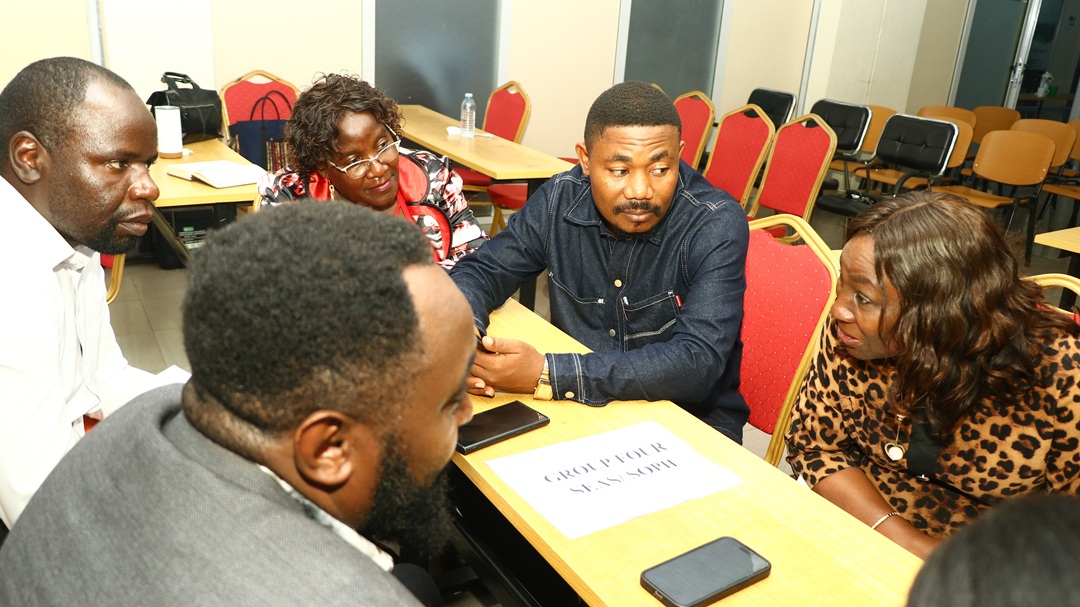
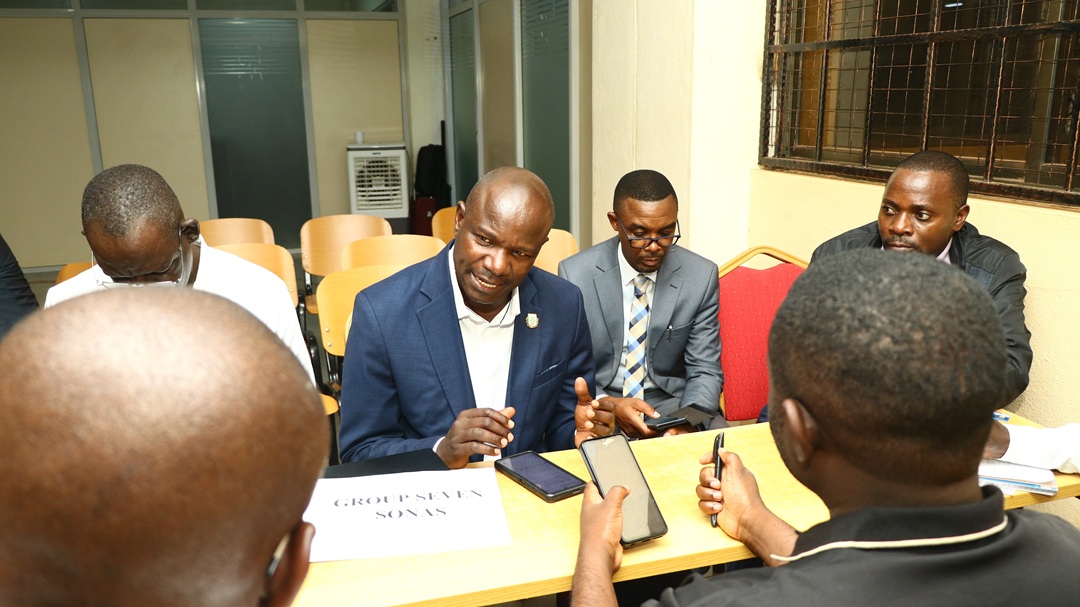
KIU, Main Campus – Kampala International University (KIU) on Thursday, 7th May, 2026 officially held a powerful conversation on Competency‑Based Education and Training (CBET), bringing together Administrators, Heads of Department, Deans, and industry leaders to explore how academia and industry can synergize to produce graduates who are truly industry‑ready.
This vision is in line with the Government of Uganda’s directive to strengthen Competency‑Based Education, promote skills development, and advance entrepreneurship and innovation as key drivers for reducing youth unemployment and accelerating socio‑economic transformation.
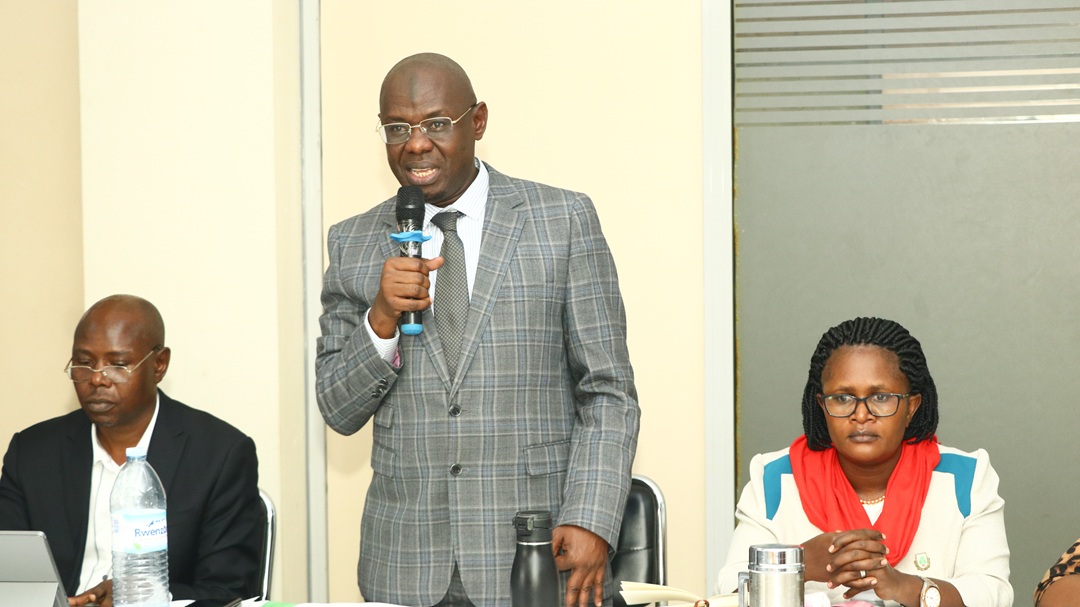
Opening the event, Prof. Muhammed Ngoma, Vice Chancellor, welcomed participants to what he described as a “momentous occasion where academicians and industry players meet to align expectations and responsibilities.”
He emphasized that the dialogue was about bridging the gap between what the industry requires and what universities can deliver, ensuring graduates are prepared to thrive in the workplace.
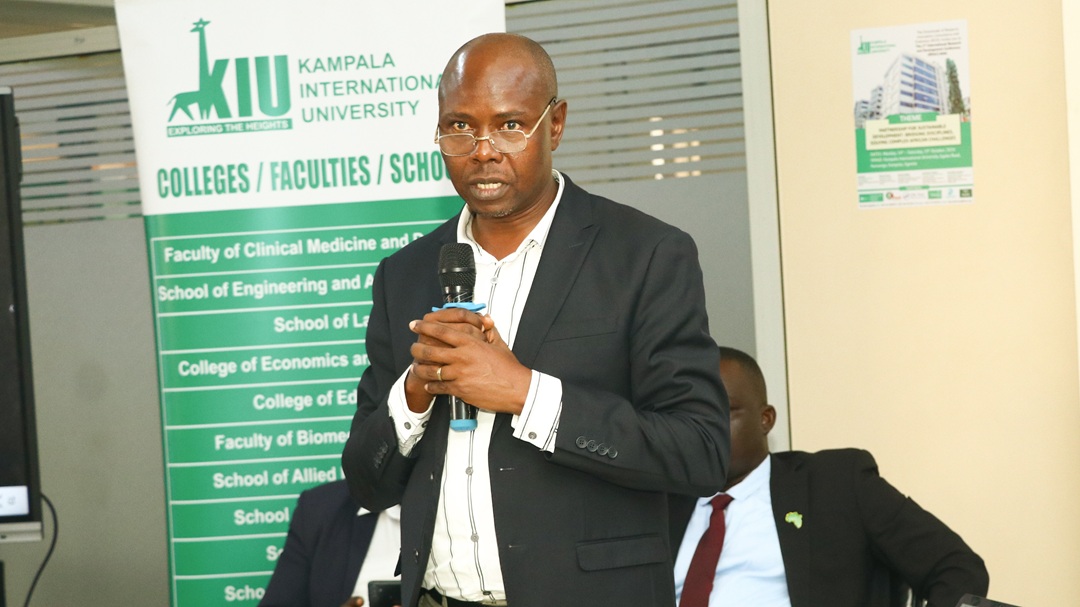
Ambrose Kibuuka, KIU University Council Member and representative of the Chairman Board of Trustees, challenged academia to be proactive: “There are things industry does not yet know it needs, but academia can foresee and create. We should not wait for industry to drive demand. Think of the smartphone—it was created before industry demanded it, and now it defines modern life.”
The dialogue was organized and hosted by the Directorate of Academic Affairs, Dr. Jacob Eneji Ashibi, Deputy Vice Chancellor for Academic Affairs, reinforced the urgency of closing the gap between academia and industry. “We must produce competent graduates who can succeed not only in the job market but also as entrepreneurs and innovators. Competency‑Based Education is the bridge to that future,” he noted.
Delivering the keynote address on “Competency‑Based Education: Why the Shift,” Dr. Mathias Mutema Mulumba highlighted the misalignment between education and employer needs.
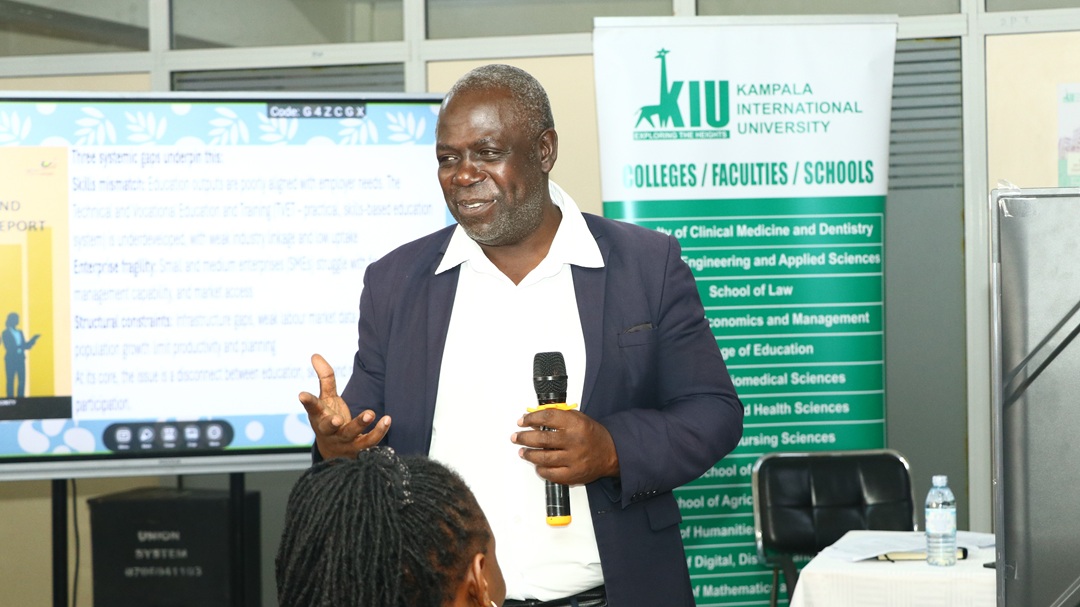
“Students invest three to four years in university, yet many struggle to find jobs,” a challenge he associated with poor education-industry alignment.
Education outputs are poorly aligned with employer needs. The Technical and Vocational Education and Training (TVET – practical, skills-based education system) is underdeveloped with weak industry linkage and low uptake,” he pointed out.
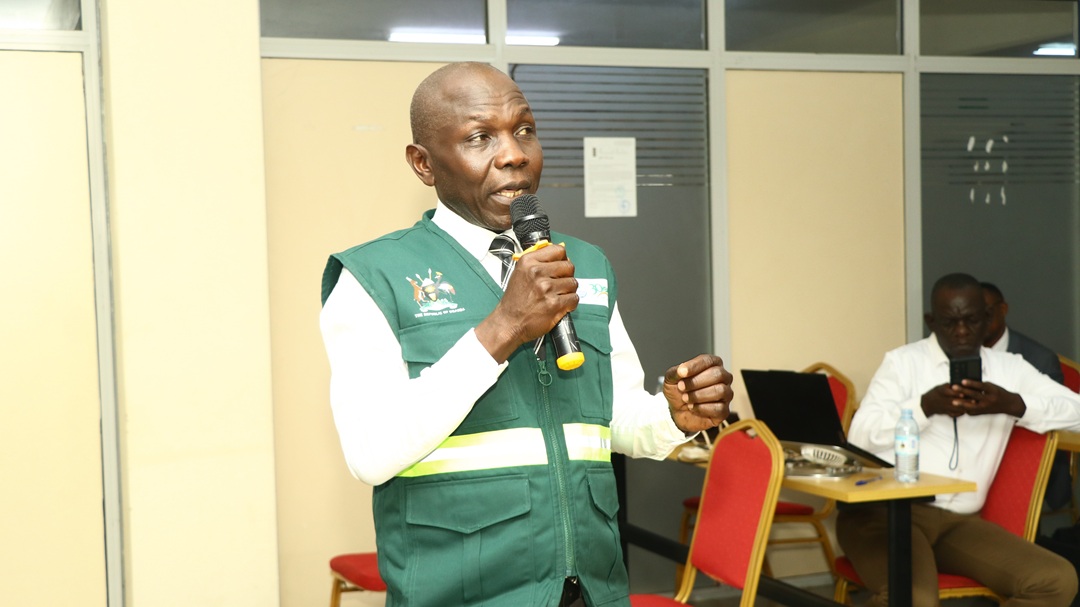
Adding an industry perspective, Wilbert Ikilai, Manager for Environmental Education and Advocacy at the National Environment Management Authority (NEMA), stressed the importance of practical learning. “Industry is about doing. Academia must identify what can be taught from practice, not just theory. That is how we prepare students for real‑world challenges,” he said.
Dr. Papius Dias M. Tibihika, Head of the Aquaculture Research and Development Centre (ARDC) – National Agricultural Research Organisation (NARO), urged institutions of higher learning to prioritize practical exposure for students. He emphasized that spending more time in the field than in the classroom equips learners with comprehensive knowledge and industry‑ready skills.
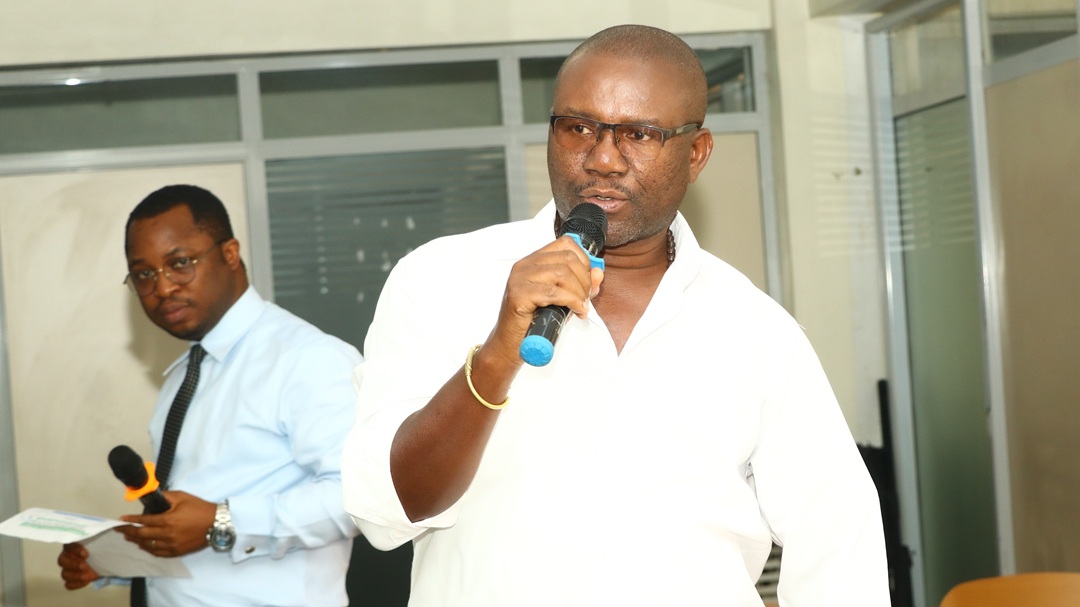
“We cannot rely solely on government to do everything; institutions must also pitch in. Universities should ensure that the research they conduct is not only academic but directly relevant to industry needs. That is how we prepare graduates to meet real‑world challenges,” he said.
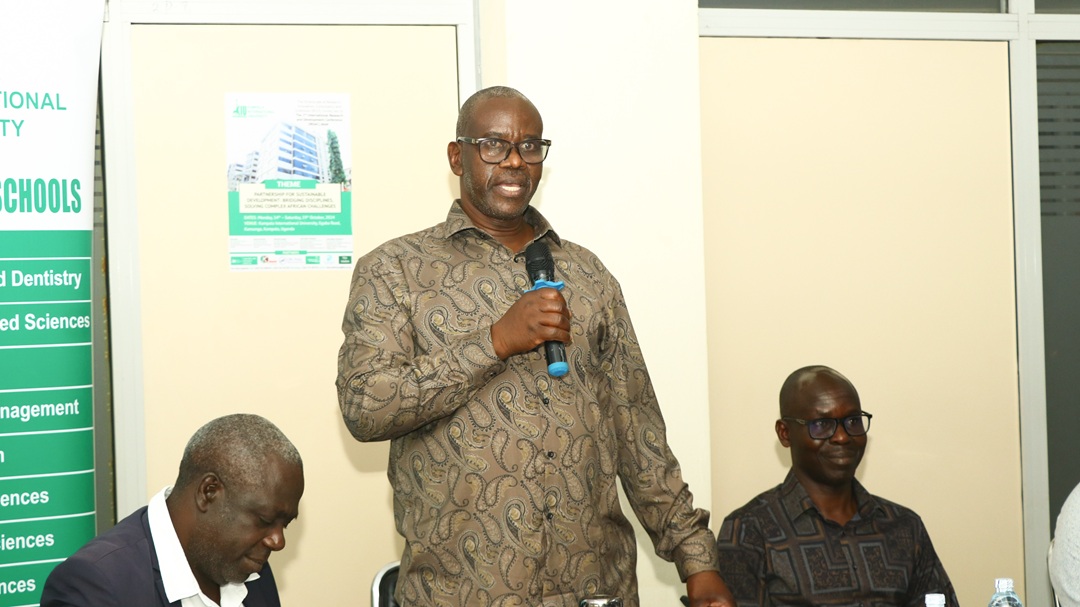
The event also received a brief but significant stopover from National Council for Higher Education (NCHE) members led by Dr. Godfrey Onyait, Senior Official at NCHE, who were en route to a consultation meeting with the Vice Chancellor. Their presence underscored the national importance of the conversation and the alignment of KIU’s vision with Uganda’s higher education priorities.
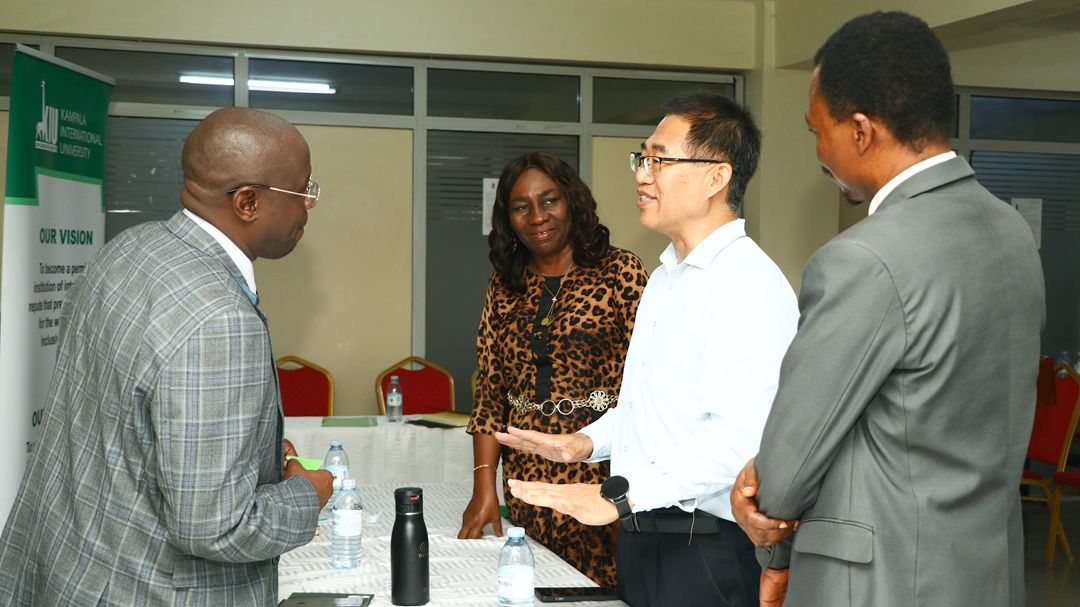
The dialogue reaffirmed KIU’s commitment to fostering collaboration between academia and industry, ensuring that graduates are not only knowledgeable but also competent, innovative, and ready to contribute meaningfully to national and global development.
Kampala International University, Box 20000, Ggaba Road, Kansanga, Kampala
+256-760 502660
+256-700 100808