Jul
KIU Students Participate in Academy for Impact Women Mentorship Initiative Training
July 21, 2026, 8:57 am
 Nakanwagi Annet
• March 24, 2026, 10:55 am
Nakanwagi Annet
• March 24, 2026, 10:55 am 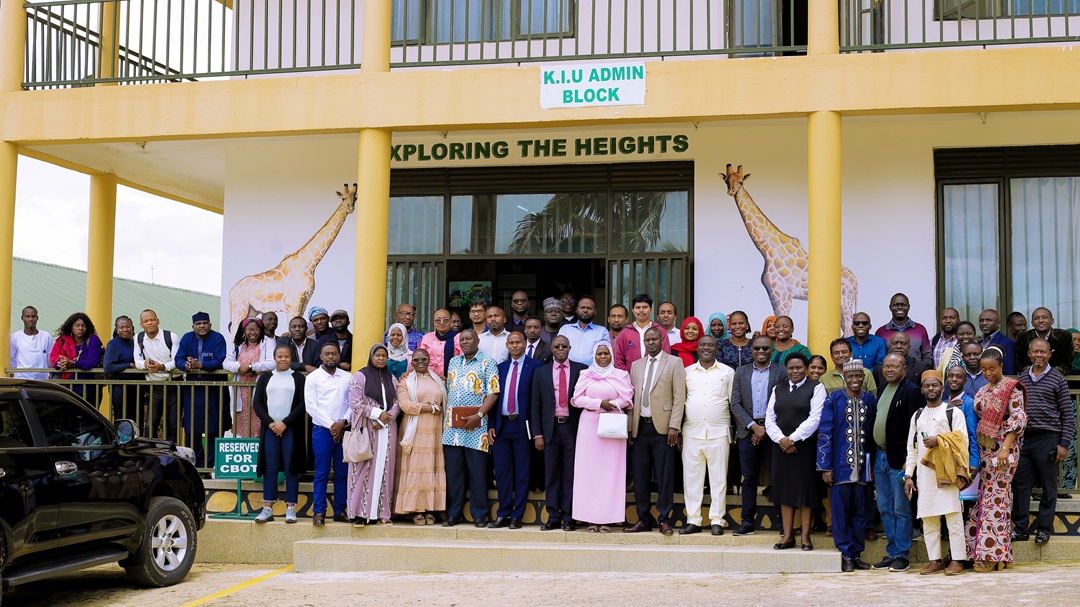
KIU, Western Campus - On Tuesday, March 24, 2026, Kampala International University, Western Campus (KIU-WC) through the Directorate of Research, Innovation, Consultancy and Extension (DRICE) in partnership with the Faculty of Education, convened a timely academic dialogue on boosting education outcomes through teacher motivation, bringing together educators, policymakers, researchers, students, and community stakeholders to explore strategies for enhancing teacher motivation and accountability.
In his welcoming remarks, Prof. Patrick Aja Maduabuchi, Director of RICE, noted that motivated teachers are key to achieving better learning outcomes, stating, “As teachers, we always want to be motivated, hence boosting the morale leading to high input and thus higher learner outcomes.”
Assoc. Prof. Eric Mabonga, Deputy Vice Chancellor (DVC), KIU-WC, echoed this sentiment, emphasising the importance of research that benefits communities. “The world of research has changed; we now study about communities and disseminate the knowledge back to them. The moment a study touches teachers, it touches everyone in the community,” he said.
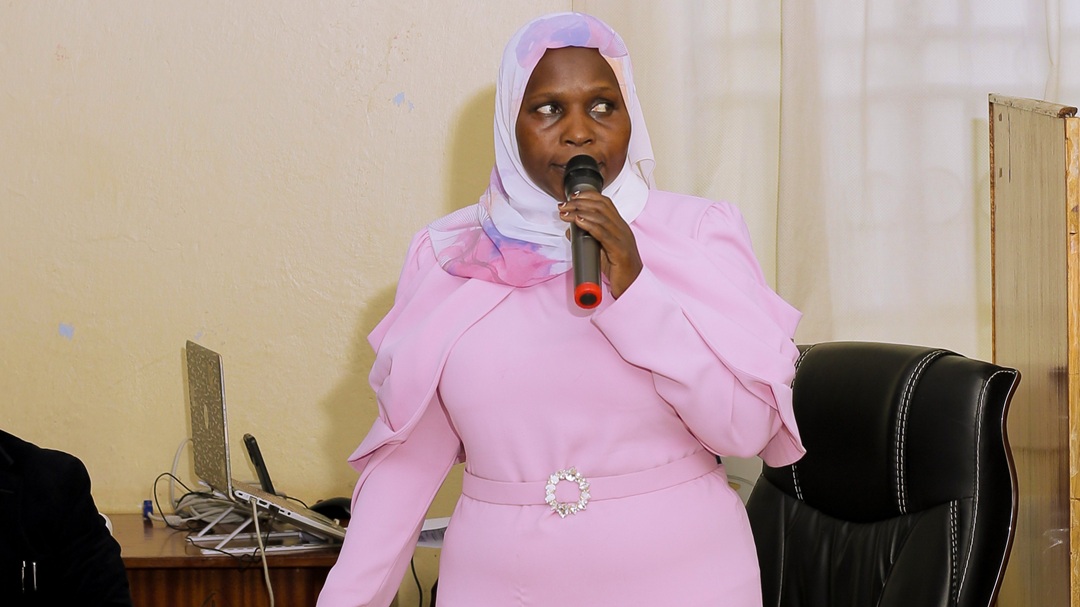
The lecture, themed “Improving Teacher Motivation and Accountability for Better Learning Outcomes in Uganda,” with a Sub‑theme: From Appraisal to Impact: Community and Policy Strategies for Improving Teachers’ Job Output featured Ms. Asiati Mbabazi, University Secretary, KIU, who delivered a compelling presentation on the intersection of teacher motivation and learning outcomes.
Mbabazi emphasised that intrinsic motivation is key to driving teacher performance, noting that “when a teacher is self-driven, he or she has the morale to give expected outcomes.” She proposed that providing necessary resources, fostering a conducive work environment, increasing autonomy and freedom of speech can significantly boost teacher motivation, ultimately leading to improved learning outcomes.
Highlighting the importance of accountability, Mbabazi cited the World Bank's six A’s of quality education: Accountability, Attention to students, Assessment, Autonomy, Attention to culture, and Attention to teachers, noting that motivated teachers ultimately yield better learning outcomes. She also emphasized that learning outcomes are student-centric but need to be guided.
On performance appraisal, Mbabazi highlighted the importance of planning, monitoring, and reviewing. “Planning plays a big role in an institution. Let's say as a university, we can plan for a semester, set goals we would like to achieve, budgeting and allocating resources, all these can help track progress and identify areas of improvement”, she said.
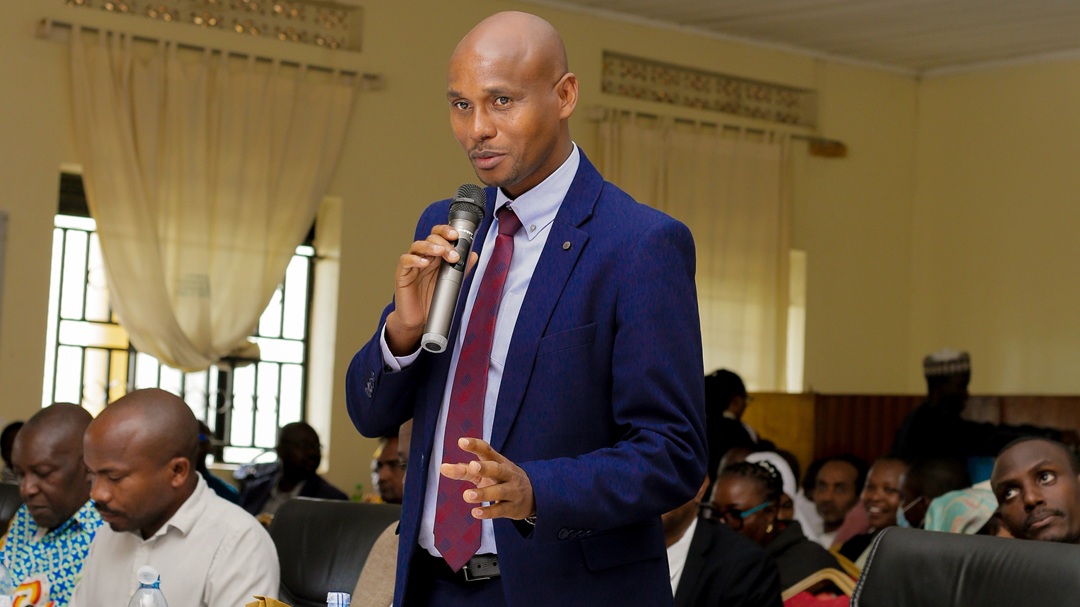
Speaking further, Emmanuel Mbonye, Deputy Chief Administrative Officer (CAO), Bushenyi district, noted that while salary is a motivator, it is not the only factor. “With time, salary increment seizes to be a motivating factor, we need to explore more internal and external motivation determinants,” he said.
Michael Matigi, Inspector of Schools, Bushenyi district, compared the old curriculum with the Competence Based Curriculum (CBC), noting that CBC focuses on equipping learners with practical skills and competencies, unlike the traditional curriculum which emphasized theoretical knowledge. He highlighted the need for teachers to be adequately trained and motivated to effectively implement CBC.
In unison, Assoc. Prof. Mohammad Tukur, Dean of the Faculty of Education, emphasized that motivation should precede monitoring, stressing that teachers who are motivated and empowered are more likely to deliver quality education. He urged stakeholders to prioritize teacher welfare and create a supportive environment for effective teaching and learning.
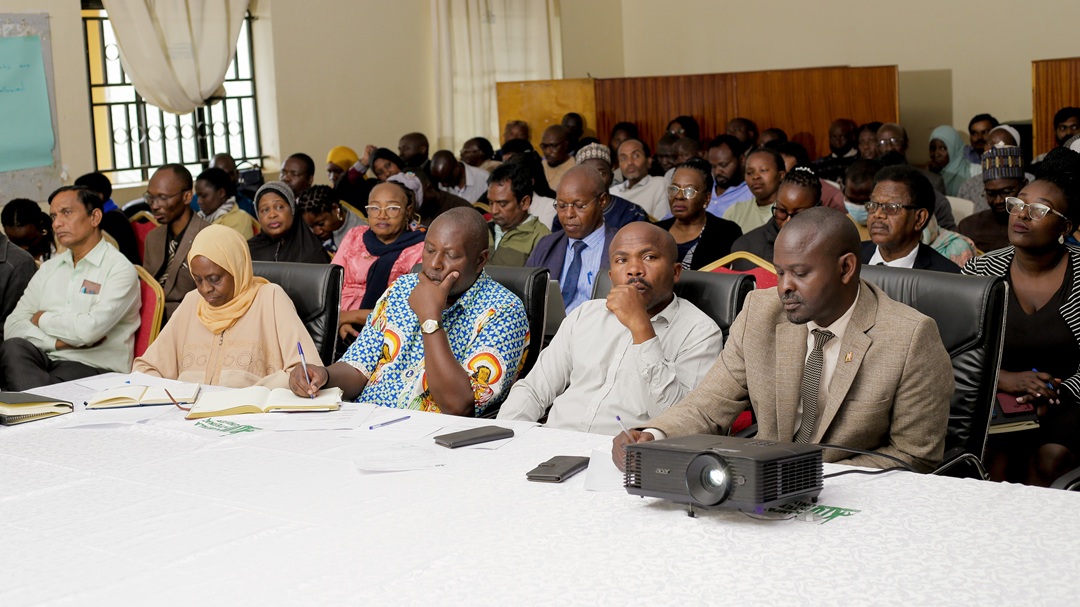
The lecture generated several recommendations, including the need for regular teacher training and professional development, provision of adequate resources, and strengthening stakeholder engagement to support teachers. The findings and recommendations will be implemented through a collaborative effort between KIU and education stakeholders to enhance teacher motivation and improve learning outcomes.
In her closing remarks, Campus Administrator Miriam Nikwakunzire expressed gratitude to the presenter, participants, and organizers, highlighting the dialogue's significance in shaping Uganda's education outcomes. She reaffirmed KIU's commitment to contributing to national education goals through research and community engagement.
Kampala International University, Box 20000, Ggaba Road, Kansanga, Kampala
+256-760 502660
+256-700 100808